
Miapé Dignité Menstruelle
Miapé combats period poverty by raising awareness in communities, supporting social enterprises that manufacture washable sanitary products, and improving access to water and sanitary facilities in schools.
Promoting access to information and simple solutions
In sub-Saharan Africa, one in ten girls misses school during their period. Lack of sanitary protection, inadequate sanitation, persistent taboos… Menstruation becomes a barrier to education, health, and economic independence. Yet it should never prevent women and girls from fully exercising their rights.
To address this issue, Entrepreneurs du Monde launched the Miapé Menstrual Dignity pilot project in Togo and Sierra Leone in 2024. The initiative is based on three complementary levers:
- Strengthening knowledge of menstrual, sexual, and reproductive health.
- Supporting the local production of washable, high-quality, and accessible sanitary protection by supporting the growth of two social enterprises.
- Improving access to water and sanitation in schools, in partnership with Sèves and JAT.


Deep gender inequalities
In Togo and Sierra Leone, traditional social norms weigh heavily on women’s autonomy: limited access to education, increased domestic responsibilities, low incomes, and a lack of reliable information on menstrual health.
Girls’ education is often threatened by poverty, early marriage, unwanted pregnancies, and menstrual insecurity. In Sierra Leone, 77% of middle school girls do not have access to water in their schools. And in Togo, 44% of women had received no information about menstruation before their first period.
Added to this are taboos, shame, and misconceptions, all of which isolate women and girls. Despite these challenges, a positive dynamic is emerging: NGOs, local actors, and institutions are mobilizing to change practices and propose sustainable solutions.
Ambitious goals for the next three years
The first awareness campaigns began in 2024 among beneficiaries of Assilassimé Solidarité (Togo) and Munafa (Sierra Leone).
-
36 000 people who have been made aware
-
2 social enterprises supported
Before, I didn't know how to talk to my children about menstruation. Today, I am proud to be able to talk about it and explain it to them. I am giving them an opportunity that I didn't have when I was a teenager.
They support Miapé Dignité Menstruelle
Related programs
-
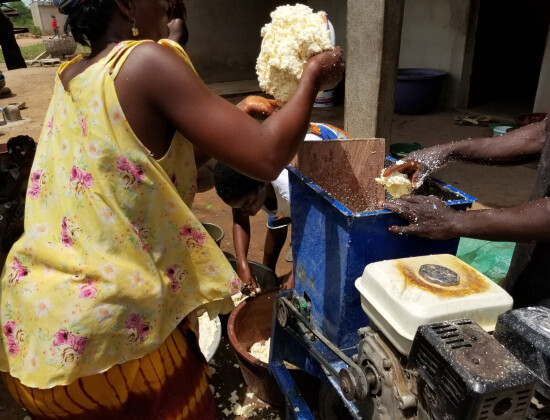
![Femme en Côte d'Ivoire utilisant un moulin à Atiéké]()
Ekileko
In Côte d’Ivoire, Ékileko strengthens the resilience and autonomy of smallholder farmers, especially women, through inclusive finance, agroecology, and access to markets.
Ivory Coast
-
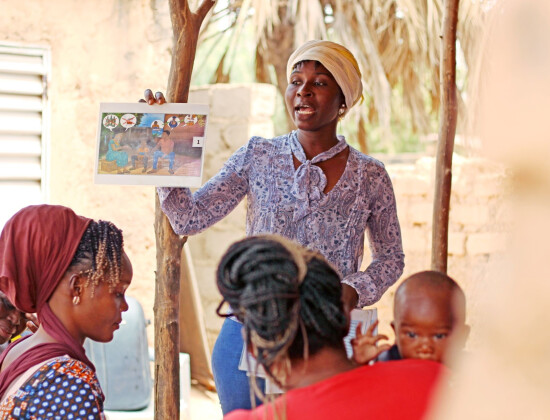
![Formation auprès des bénéficiaires de Yikri au Burkina Faso]()
Yikri
In Burkina Faso, Yikri supports the most vulnerable micro-entrepreneurs in both urban and rural areas to develop their businesses sustainably and improve their living conditions.
Burkina Faso
-
![Femmes accompagnées par Emergence Net au Burkina Faso]()
Emergence Net
In Burkina Faso, Emergence Net supports vulnerable domestic workers by training them, helping them become more professional, and enabling them to access decent and secure employment.
Burkina Faso
-
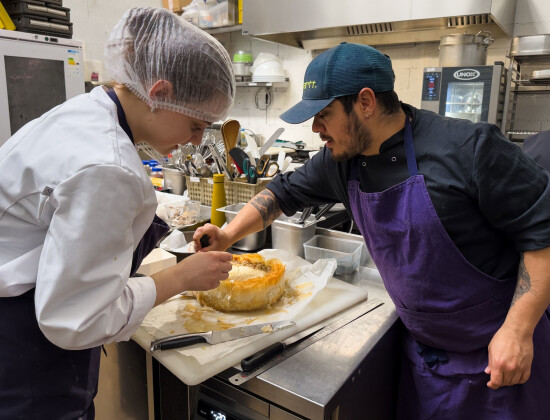
![Un formateur de Des Saveurs et des Ailes forme une bénéficiaire]()
Des Saveurs et Des Ailes
In the Rhône region, Des Saveurs et des Ailes supports vulnerable individuals who want to start a business in the restaurant industry. The program offers them a practical and educational framework, including a food truck school, professional lab, and incubator, to help them turn their ideas into viable projects.
France